
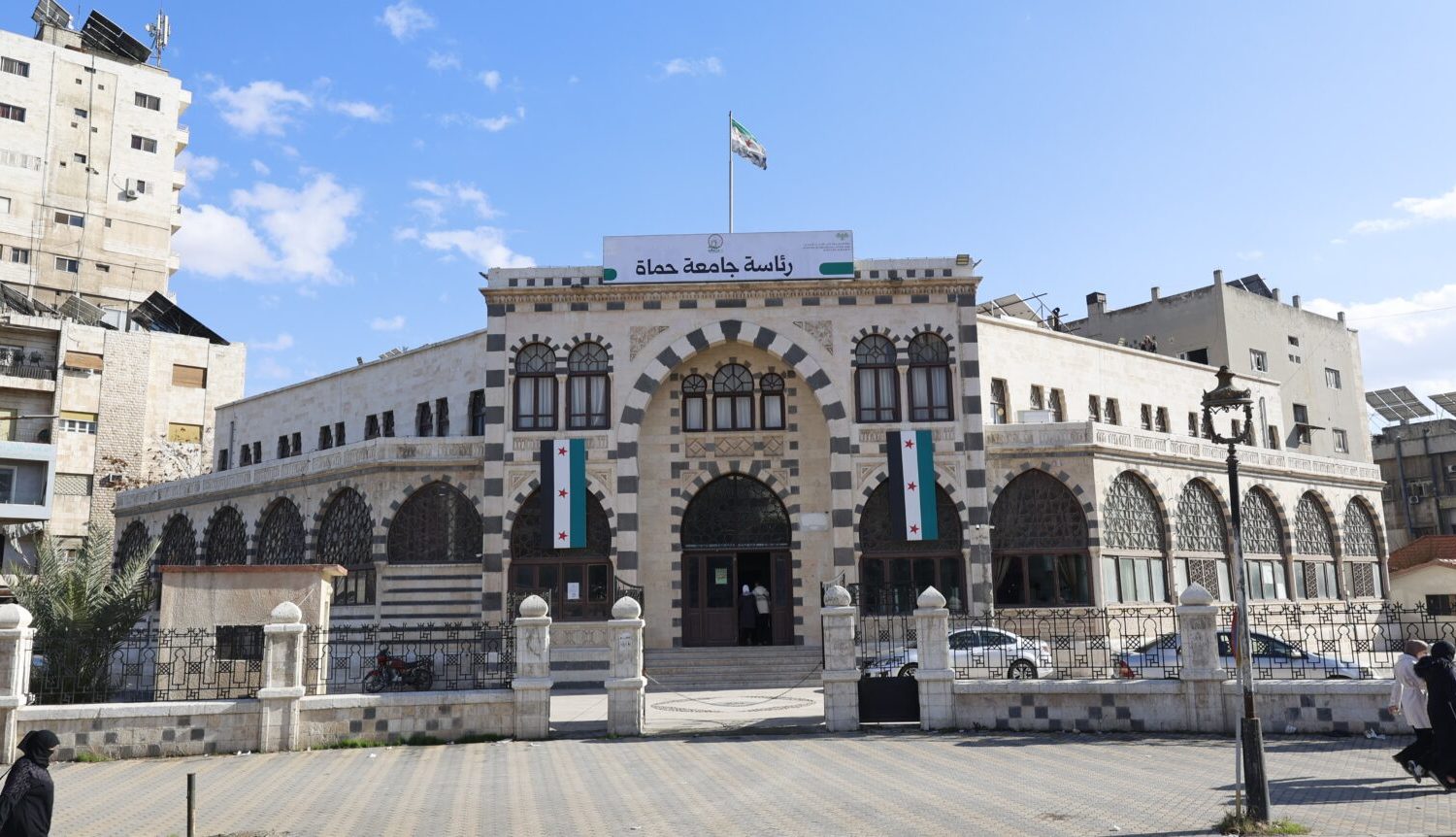
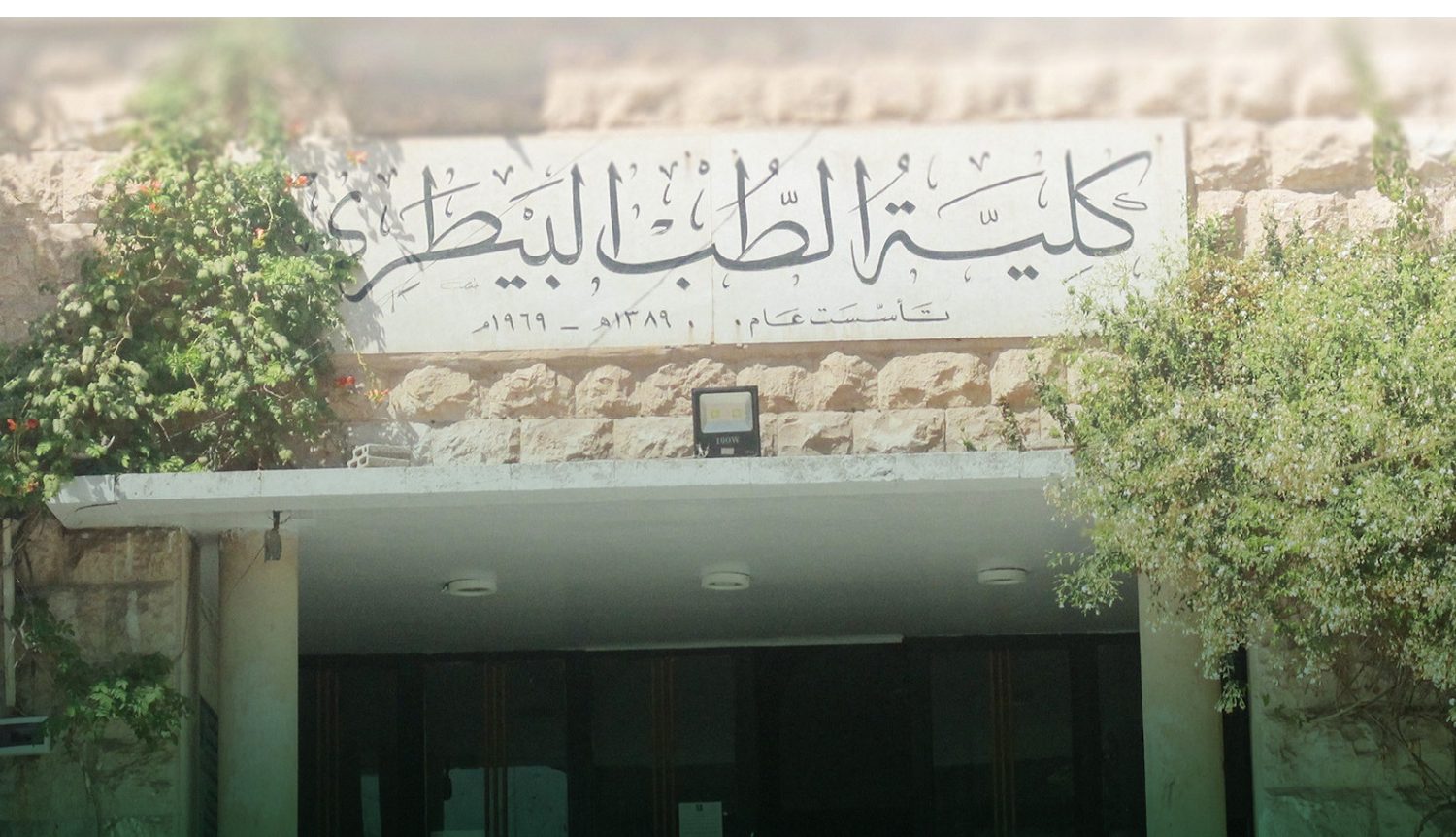
Hama University, Faculty of Veterinary Medicine hold
The International Conference
on the Role of Agriculture & Veterinary Medicine in
Restoring & Conserving Natural Rangelands
In cooperation with the Food and Agriculture Organization of the United Nations (FAO), and Arab Center for the Studies of Arid Zones and Dry Lands (ACSAD)
Faculty of Veterinary Medicine under supervision of
Prof. Dr. Abdulkarim Kalb Allouz,
president of the university
which will discuss the role of Agro-engineers, veterinarians and agricultural and veterinary personnel in restoring sustainability and preserving natural rangelands within five strategic themes:
-
Theme 1
Integrated ecological restoration and rangeland restoration (vegetation, livestock, water, and soil).
-
Theme 2
Animal health and public health protection against zoonotic diseases; sustainable and healthy production systems
-
Theme 3
Integrated grazing, pastoralist communities, and socio-economic dimensions.
-
Theme 4
Policies, governance, and international frameworks for integrated grazing and rangelands (human, animal, and environment).
-
Theme 5
Innovation, climate change, and future challenges for the sustainability of integrated grazing and rangelands.
The conference program includes:
1
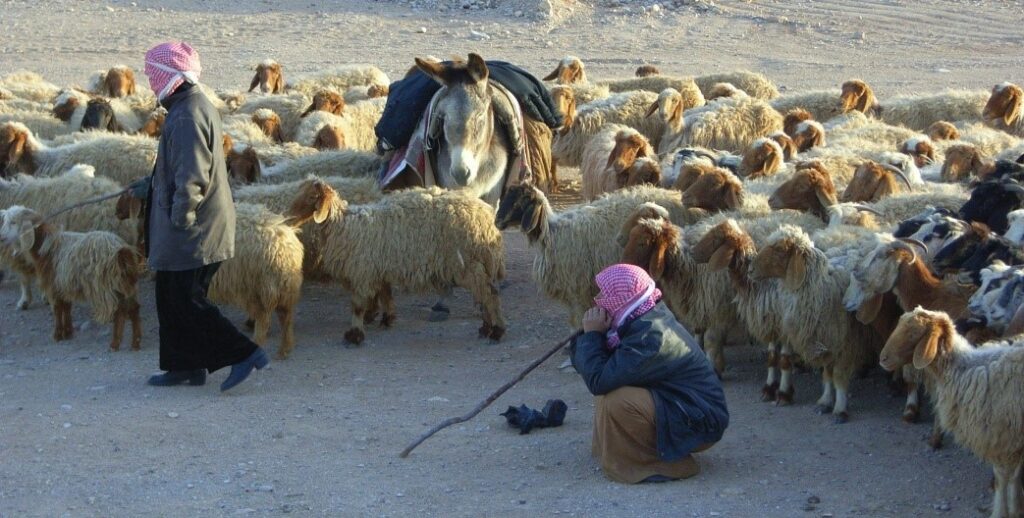
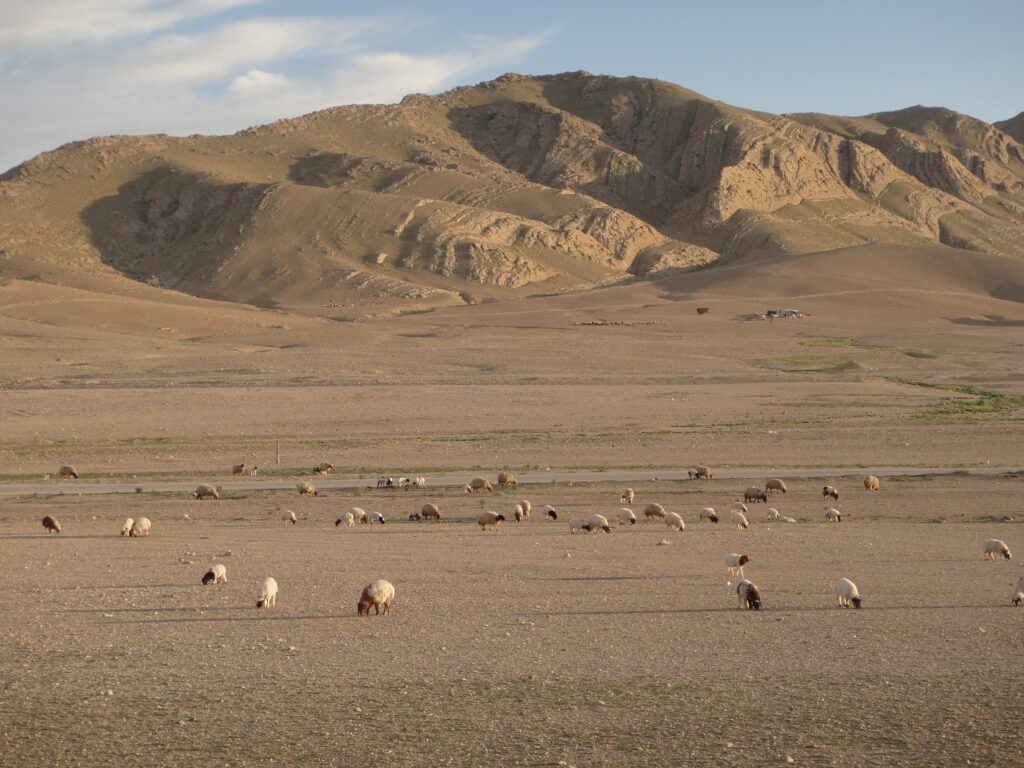
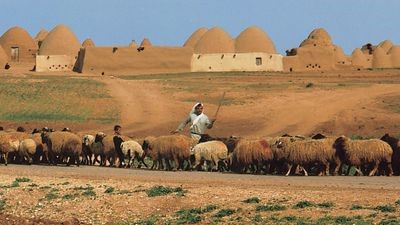
The opening ceremony, featuring introductory remarks by the conference patron and organizers to outline the key objectives they aim to achieve. This will be followed by a short film screening about grazing and natural rangelands in Syria—the region where the domestication of most agricultural animals originated.
2
Research presentation sessions—conducted both in-person and virtually—organized according to the conference themes. There will be three sessions on the first day and two on the second, depending on the number of participating papers. Additionally, research will be displayed via posters in an external hall, which will open immediately following the conference’s inauguration. On the evening of the second day, a panel discussion will be held with researchers and herders regarding grazing systems, animal health, climate change adaptation, and agricultural policies concerning grazing and rangelands, as well as mechanisms for their development.
3
A field trip on the third and final day to rehabilitated rangelands or pastoralist communities to gain practical insight into the grazing systems prevalent in the Syrian Steppe.
4
The conference will conclude with an evening session to discuss recommendations and draft a proposal document regarding:
“The role of agricultural and veterinary-medical academic expertise in protecting and utilizing rangelands to support herders—thereby advancing food security policies, environmental protection, and sustainable development—amidst climate change, population explosion, wars, and conflicts.”
Introduction:
Expenses and Accommodation:
During the conference, Hama University will cover accommodation and meal expenses solely for those presenting research papers
For non-presenting attendees, the registration fee is $300 per person for non-Syrians
500,000 SYP for participants from within Syria (including accommodation and meals)
$100 per person for those from outside Syria
100,000 SYP for participants from within Syria (excluding accommodation and meals).
Registration
Papers printed in Arabic or English will be accepted until November 10, 2026, provided an electronic copy is also submitted. The full paper must be printed on A4 paper and accompanied by the researcher’s name, specialization, workplace, and curriculum vitae (CV).
Get In Touch
Meet Us
00963132510514
Call Us
00963132510180
00963982460821
Email Us
Vet-med@hama-univ.edu.sy
karimhallak@abv.bg